
Overview
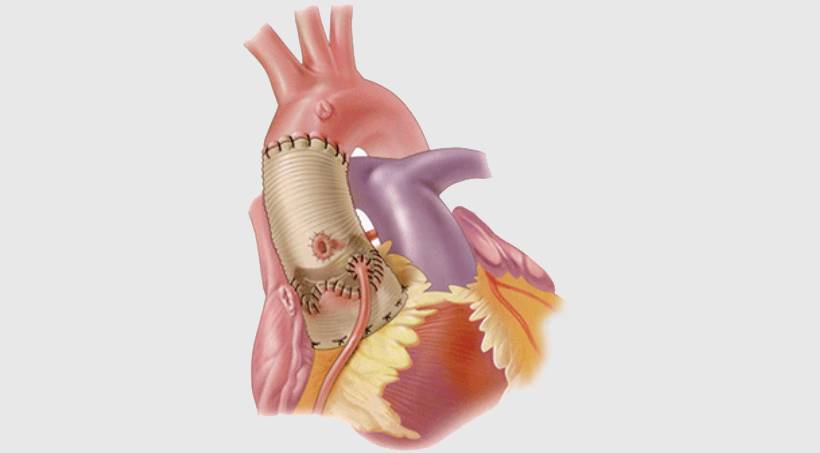
Aortic root surgery is performed to treat diseases affecting the base of the aorta, where it connects to the heart. Conditions like aneurysms, valve disorders, or connective tissue diseases can weaken the aortic root, increasing the risk of rupture or heart failure.
Symptoms
Shortness of breath, especially on exertion
Chest pain or pressure
Dizziness or fainting
Signs of heart failure
Heart murmur
Common Conditions Requiring Surgery
Aortic root aneurysm
Aortic regurgitation
Marfan syndrome
Bicuspid aortic valve disease
Aortic dissection
Diagnosis
Echocardiography (TTE or TEE)
Cardiac MRI or CT scan
Aortography
Physical examination and genetic testing if hereditary disorder suspected
Surgical Options
Bentall Procedure: Replacement of the aortic root and valve with a composite graft
Valve-sparing Root Replacement: Preserves the patient’s native valve
Ross Procedure: Particularly for younger patients; uses the patient’s own pulmonary valve
Recovery & Follow-Up
ICU care post-surgery
Cardiac rehabilitation
Lifelong monitoring with echocardiograms and CT/MRI
Conclusion
Aortic root surgery can be lifesaving for patients at risk of aortic rupture or valve failure. Early diagnosis and surgical planning are key to successful outcomes.
Our Service
- Advanced Cardiac
- Aortic & Vascular Surgery
- Aortic Root Surgery
- CTVS Procedures
- ECMO Support
- Heart & Chest Disease
- Minimally Invasive Cardiac Surgery (MICS)
- Off-Pump Bypass Surgery
- Pediatric Heart Surgery
- Risk Assessment & Early Diagnosis
- Thoracic Surgery
- Total Arterial Bypass (CABG)
- Valve Repair/Replacement
About Dr. Pranav Mali
Dr. Pranav Mali’s academic pursuits led him to Government Medical College, Nagpur, where he earned his M.B.B.S. Subsequently, he pursued further specialization, attaining M.S. in General Surgery and M.Ch. in Cardiothoracic and Vascular Surgery from the esteemed KEM Hospital and Seth GS Medical College in Mumbai, renowned as one of India’s premier institutions.