
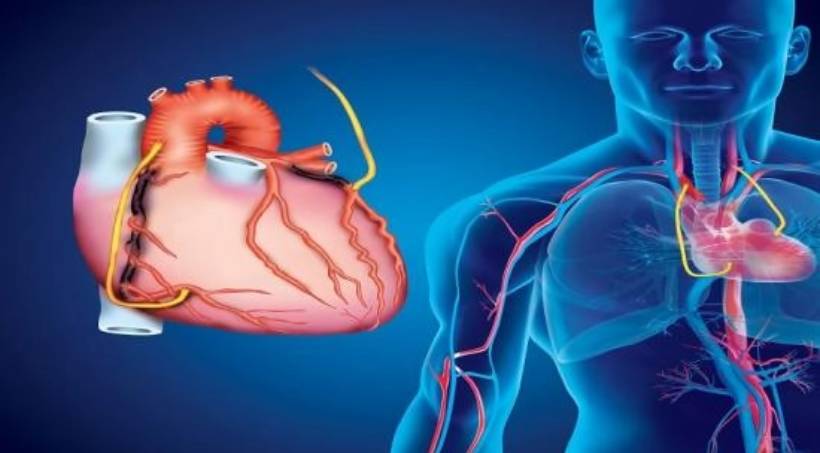
Overview
Total Arterial Bypass involves performing Coronary Artery Bypass Grafting (CABG) using only arterial grafts — typically the internal mammary arteries and the radial artery — instead of veins. Arterial grafts have superior long-term patency, reducing the risk of repeat interventions.
Who Benefits?
Younger patients with long life expectancy
Those with diabetes or multiple artery blockages
Patients requiring multiple grafts
Advantages Over Traditional CABG
Better long-term graft survival
Lower risk of recurrent angina
Reduced need for repeat surgeries or stenting
Symptoms Leading to CABG
Persistent or worsening angina
Blocked arteries not suitable for stenting
History of heart attack with poor blood flow
Decreased left ventricular function
Procedure
Arteries harvested from chest and arm
Bypass constructed around blocked coronary arteries
Performed via open-heart or minimally invasive techniques
Recovery
ICU stay followed by monitored recovery
Pain management and early ambulation
Cardiac rehabilitation and lifestyle counseling
Conclusion
Total Arterial Bypass offers durable, long-lasting relief from coronary artery disease and is especially effective in younger, active patients. It’s a gold-standard option in advanced cardiac care.
Our Service
- Advanced Cardiac
- Aortic & Vascular Surgery
- Aortic Root Surgery
- CTVS Procedures
- ECMO Support
- Heart & Chest Disease
- Minimally Invasive Cardiac Surgery (MICS)
- Off-Pump Bypass Surgery
- Pediatric Heart Surgery
- Risk Assessment & Early Diagnosis
- Thoracic Surgery
- Total Arterial Bypass (CABG)
- Valve Repair/Replacement
About Dr. Pranav Mali
Dr. Pranav Mali’s academic pursuits led him to Government Medical College, Nagpur, where he earned his M.B.B.S. Subsequently, he pursued further specialization, attaining M.S. in General Surgery and M.Ch. in Cardiothoracic and Vascular Surgery from the esteemed KEM Hospital and Seth GS Medical College in Mumbai, renowned as one of India’s premier institutions.