Overview
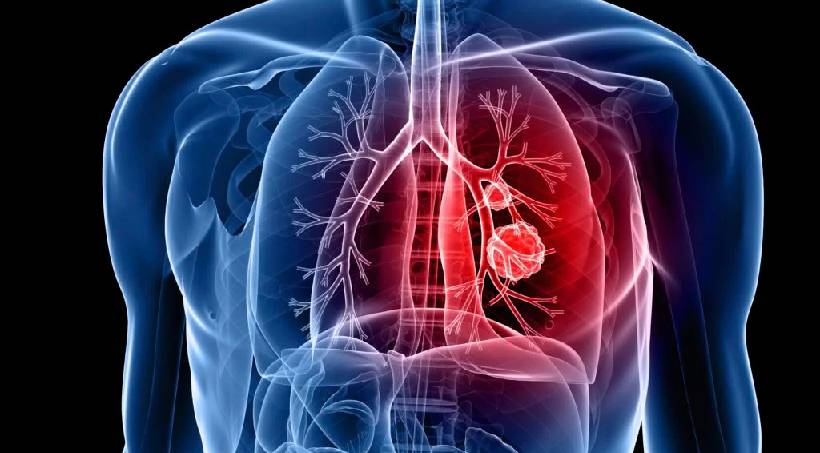
Thoracic surgery involves operative treatment of diseases affecting the lungs, chest wall, esophagus, mediastinum, and diaphragm. It can be performed using open methods or minimally invasive techniques such as VATS (Video-Assisted Thoracoscopic Surgery) and robotic-assisted surgery.
Conditions Treated
Lung cancer and tumors
Pleural effusion and empyema
Pneumothorax (collapsed lung)
Chest wall deformities
Esophageal cancer or reflux disease
Diaphragmatic hernias
Symptoms Requiring Evaluation
Chronic cough
Chest pain
Coughing up blood
Difficulty swallowing
Recurrent lung infections
Unexplained weight loss
Diagnostic Tools
Chest X-ray and CT scan
PET-CT for cancer staging
Bronchoscopy
Biopsy and cytology
Pulmonary function tests
Surgical Approaches
Lobectomy or segmentectomy for lung cancer
Decortication for pleural disease
Esophagectomy or fundoplication
Thoracotomy or VATS (minimally invasive)
Chest wall reconstruction
Postoperative Recovery
Pain control and physiotherapy
Lung exercises (incentive spirometry)
Follow-up imaging and oncology referral if cancer
Conclusion
Thoracic surgery is essential for both benign and malignant conditions. Early referral and minimally invasive techniques can reduce complications and enhance outcomes.
Our Service
- Advanced Cardiac
- Aortic & Vascular Surgery
- Aortic Root Surgery
- CTVS Procedures
- ECMO Support
- Heart & Chest Disease
- Minimally Invasive Cardiac Surgery (MICS)
- Off-Pump Bypass Surgery
- Pediatric Heart Surgery
- Risk Assessment & Early Diagnosis
- Thoracic Surgery
- Total Arterial Bypass (CABG)
- Valve Repair/Replacement
About Dr. Pranav Mali
Dr. Pranav Mali’s academic pursuits led him to Government Medical College, Nagpur, where he earned his M.B.B.S. Subsequently, he pursued further specialization, attaining M.S. in General Surgery and M.Ch. in Cardiothoracic and Vascular Surgery from the esteemed KEM Hospital and Seth GS Medical College in Mumbai, renowned as one of India’s premier institutions.