Overview
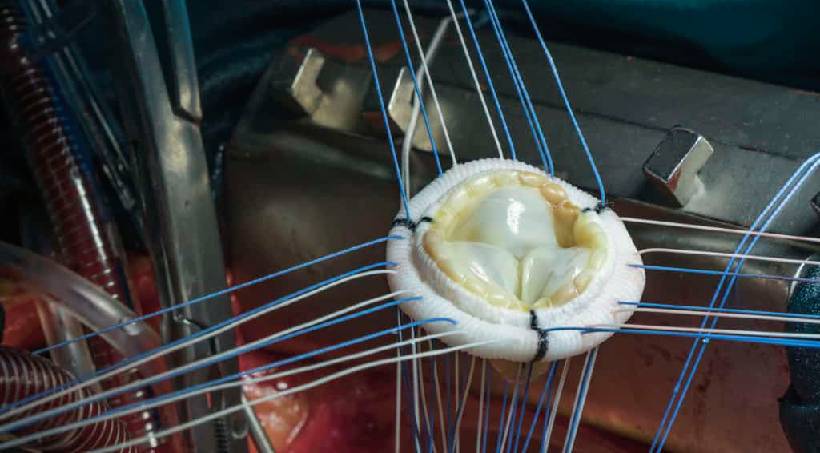
Heart valve surgery corrects problems in one or more of the heart’s valves. This may involve repairing the valve to restore its function or replacing it with a biological or mechanical prosthesis. The choice depends on the type and severity of the valve disease.
Types of Valve Disease
Aortic stenosis or regurgitation
Mitral valve prolapse or stenosis
Tricuspid valve regurgitation
Congenital valve abnormalities
Symptoms
Shortness of breath
Fatigue, dizziness, or fainting
Swelling in the legs
Chest discomfort
Heart murmur or irregular heartbeat
Diagnostic Workup
Echocardiography (TTE/TEE)
Cardiac MRI or CT
Cardiac catheterization
Surgical Options
Valve Repair: Preferred when possible, especially for mitral valves
Valve Replacement:
Mechanical valves: Long-lasting but need lifelong anticoagulation
Bioprosthetic valves: Limited lifespan but no long-term blood thinners
Minimally Invasive or Robotic Valve Surgery in suitable patients
TAVR (Transcatheter Aortic Valve Replacement) for high-risk patients
Recovery
ICU stay post-op with monitoring
Physical therapy and rehab
Lifelong cardiac follow-up and medication
Conclusion
Valve repair or replacement restores heart function, improves symptoms, and extends life expectancy. With advanced techniques, even high-risk patients can undergo successful valve surgery.
Our Service
- Advanced Cardiac
- Aortic & Vascular Surgery
- Aortic Root Surgery
- CTVS Procedures
- ECMO Support
- Heart & Chest Disease
- Minimally Invasive Cardiac Surgery (MICS)
- Off-Pump Bypass Surgery
- Pediatric Heart Surgery
- Risk Assessment & Early Diagnosis
- Thoracic Surgery
- Total Arterial Bypass (CABG)
- Valve Repair/Replacement
About Dr. Pranav Mali
Dr. Pranav Mali’s academic pursuits led him to Government Medical College, Nagpur, where he earned his M.B.B.S. Subsequently, he pursued further specialization, attaining M.S. in General Surgery and M.Ch. in Cardiothoracic and Vascular Surgery from the esteemed KEM Hospital and Seth GS Medical College in Mumbai, renowned as one of India’s premier institutions.